PUBLIC ENGAGEMENT RETROSPECTIVE:
NOT MUCKING AROUND
Curated by Maine College of Art’s Public Engagement Minor Fellows,
Renée Michaud and Matanah Betko
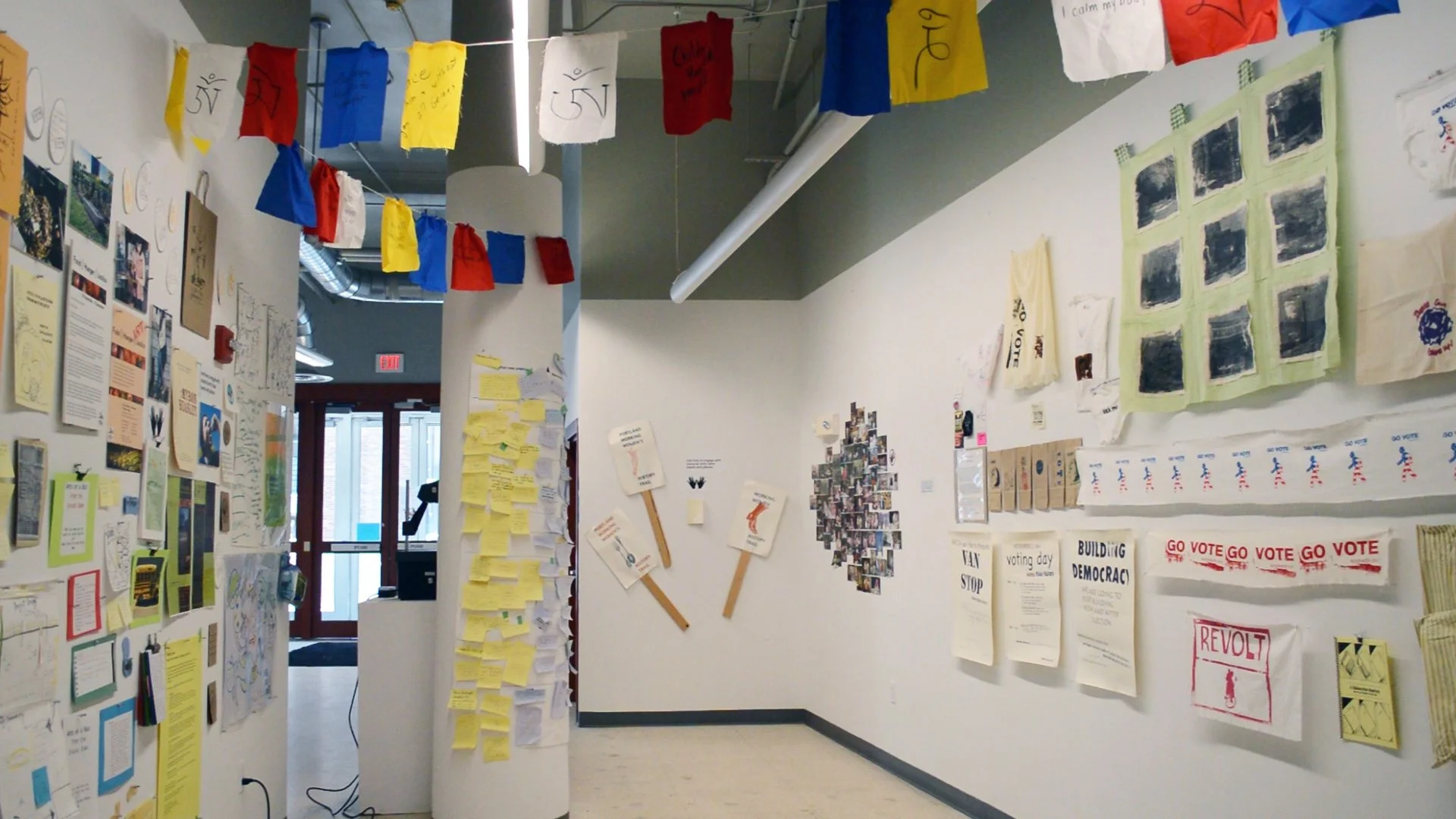
Public Engagement at Maine College of Art is driven by a long legacy of radical activist strategies. By demanding significant time and effort from students, staff, faculty, and community partners, this work is unlike any other at Maine College of Art. With the belief in bettering ourselves and supporting each other to build a better world, Public Engagement requires individuals to engage in collective cooperation and continuous re-evaluation. It is with thousands of hours from the Faculty, Students, Public Engagement Minors, Fellows, Activists, and Community Partners that this work has been made possible. Now is the time to make space for cooperation, re-evaluation, and change. Long live the legacy!
Special gratitude is extended to The Warren Memorial Foundation for making the Public Engagement Fellowship possible. We also thank Former Public Engagement Coordinator, Elizabeth Jabar, whose application for this funding has supported the work of past and present PE Minors.
All photographic documentation of the exhibition is done by the magnificent artist, Liz Rhaney.
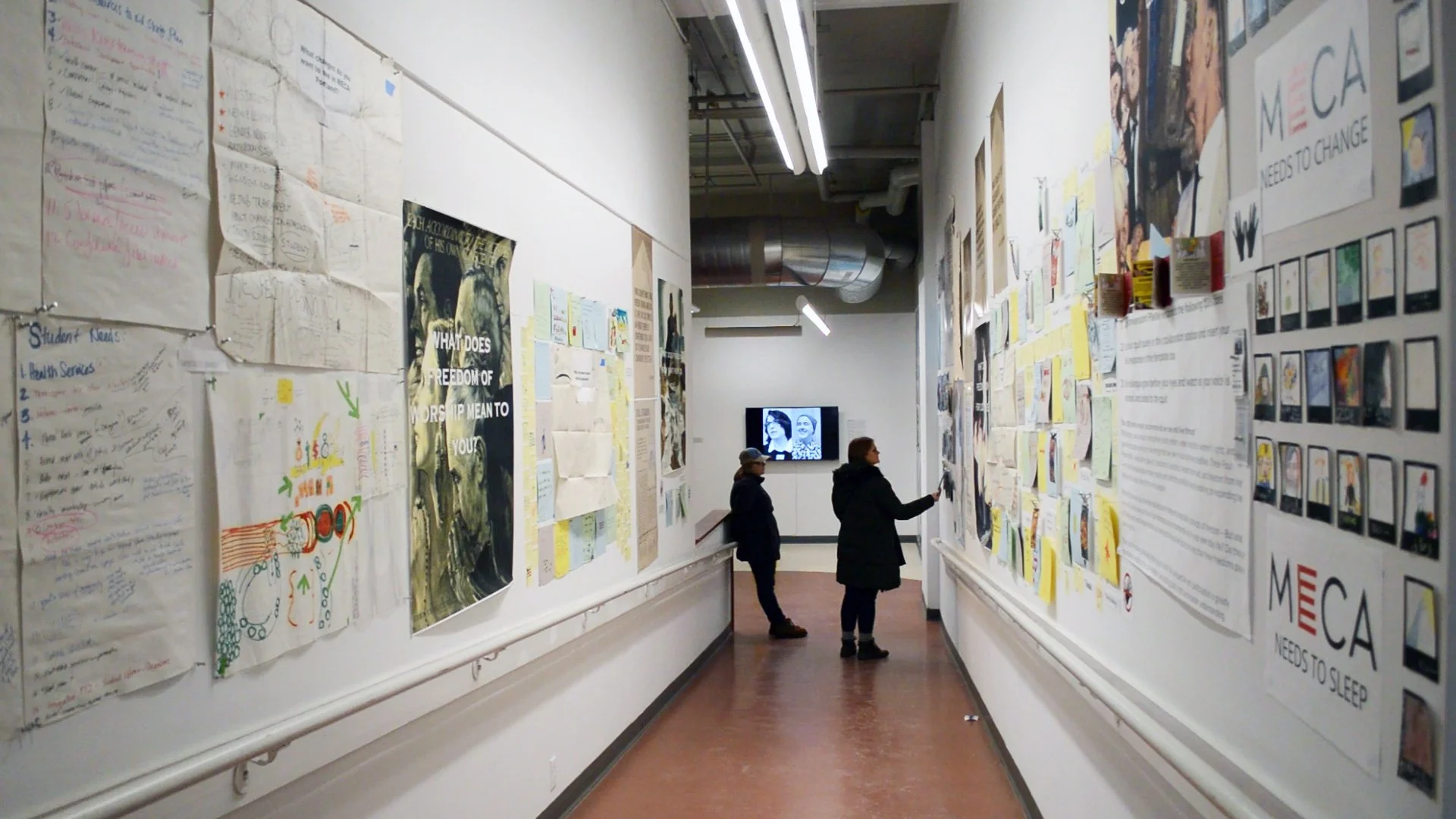
phase 1
Get into the world (do it with care and respect).
1989 - 2001
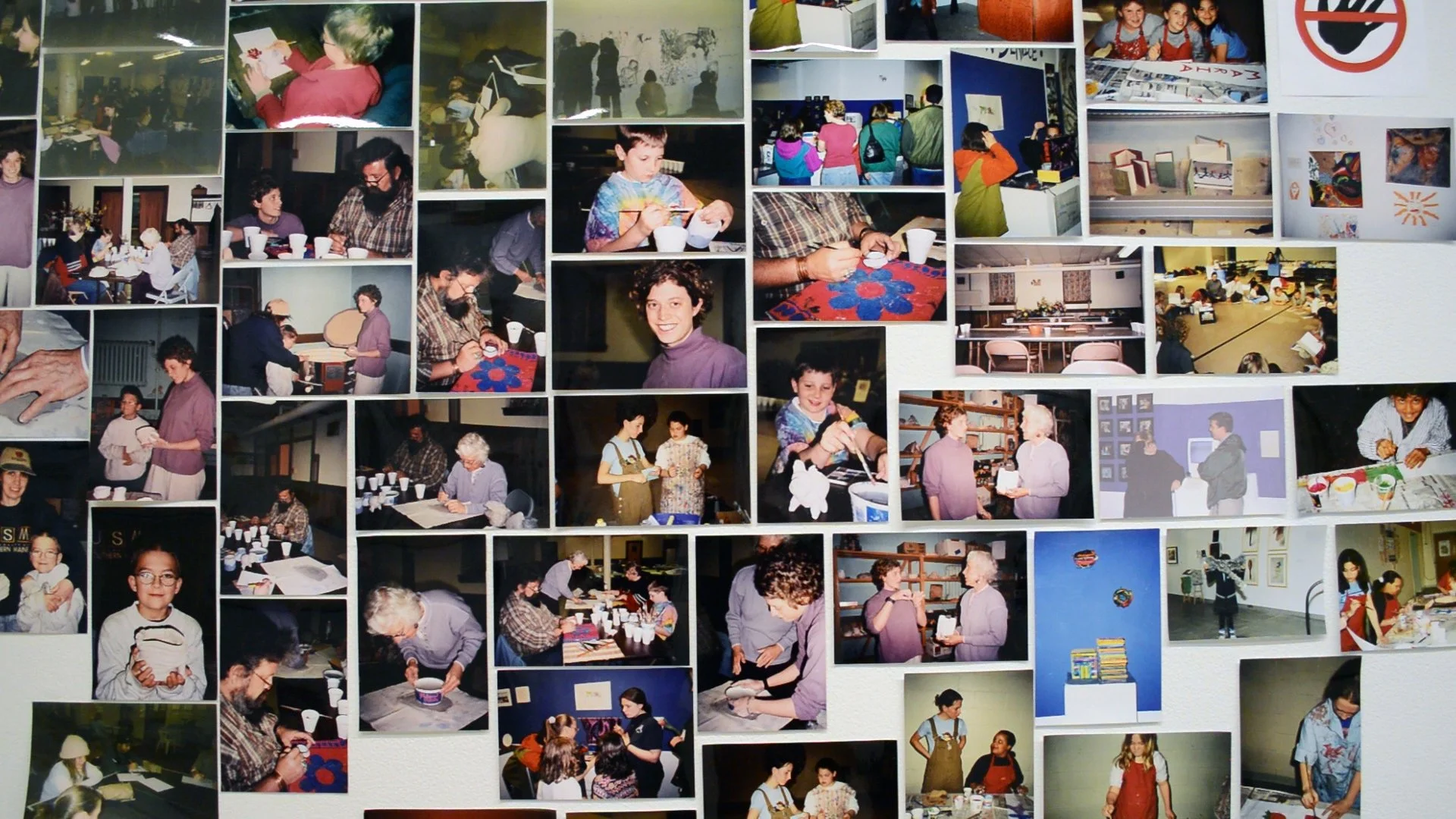
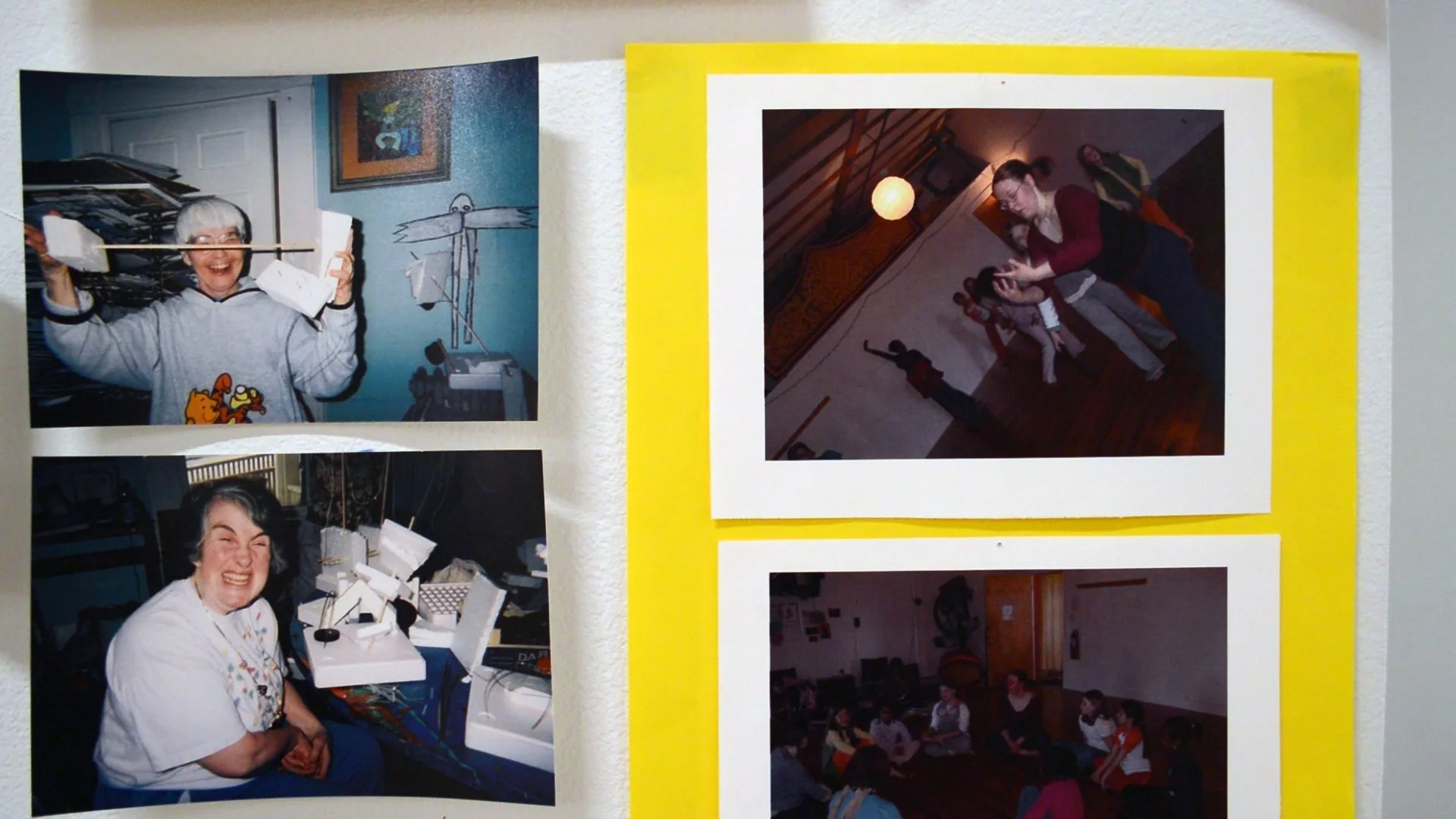
Khenmo Drolma (formerly known as Regina Kelly) literally took her sculpture students into the hospice home to make art in the midst of the dying. This action launched a program at the college that is considered one of the 1st service learning programs in the country. Service Learning internships (called Art in Service) were tended with care, respect and paid Directors and Coordinators.
Leadership: Khenmo Drolma, Reverend Priscilla Dreyman, Liz Sinclair, John Mangum.
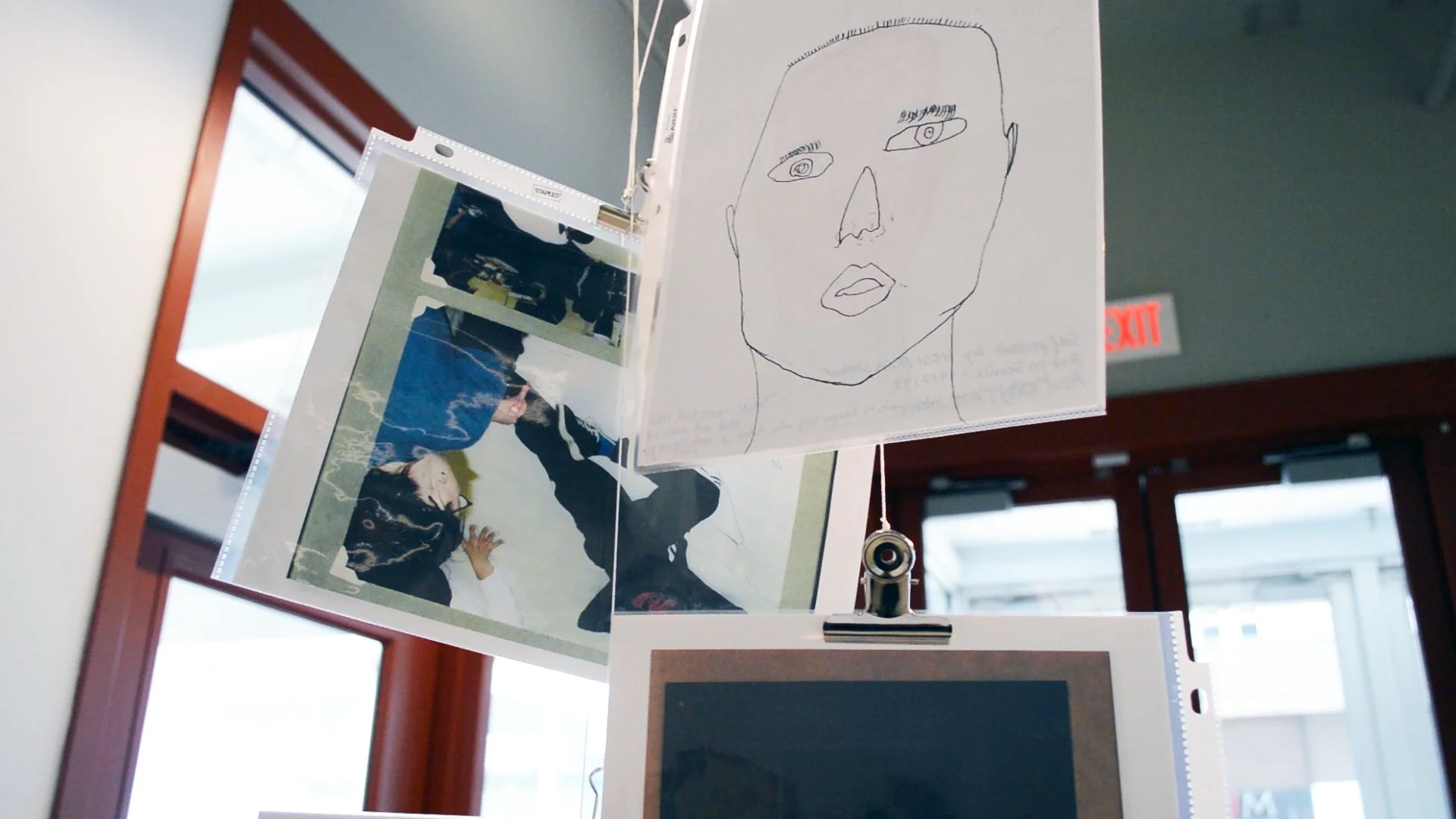
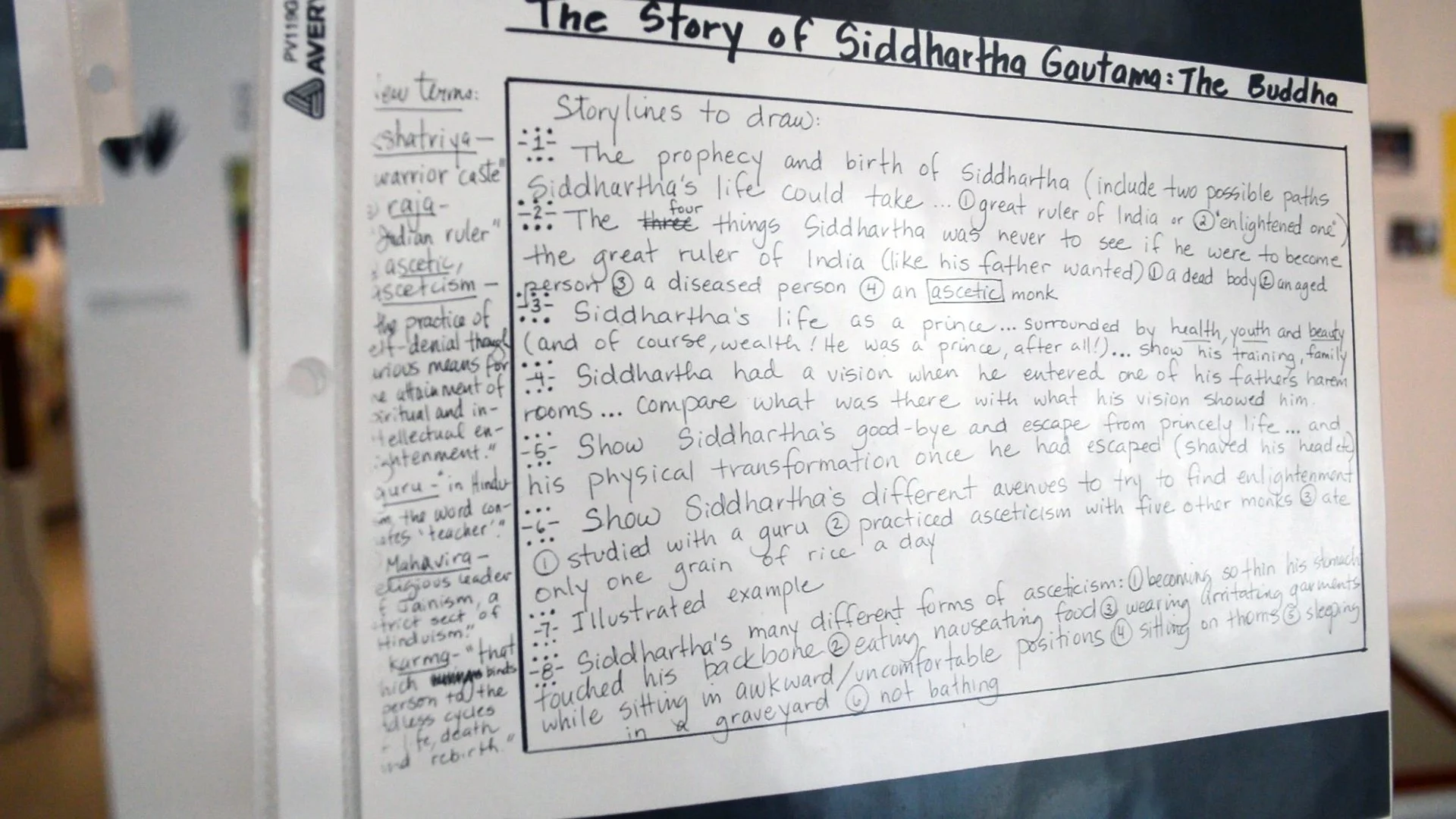
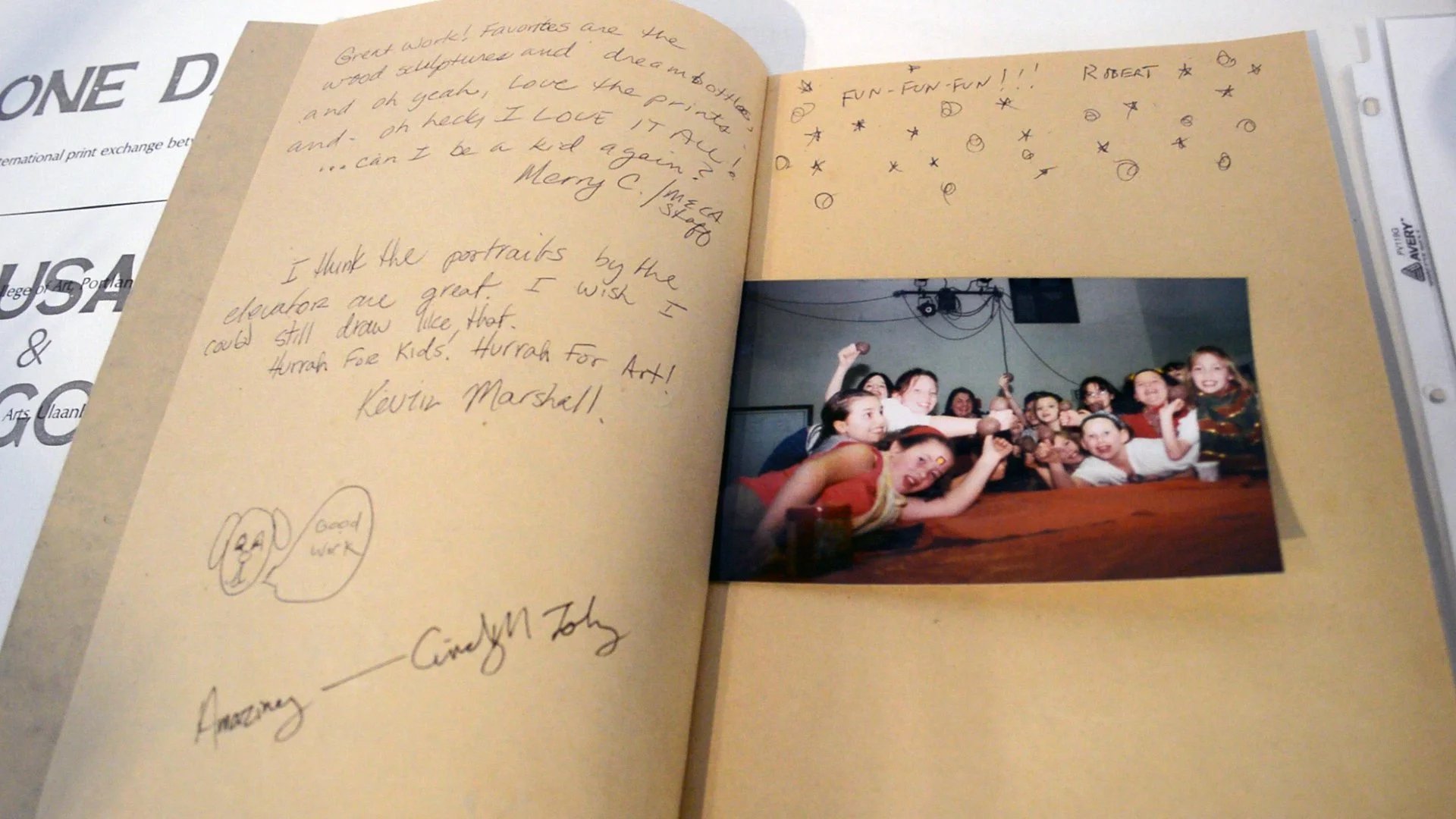
“Public Engagement at Maine College of Art literally began in the courtyard of a Hospice Home here in Maine. This was 1989. Students were taken by Khenmo Drolma (formerly known as Professor Regina Kelley) to bring art making, with compassion and humility, into the real world, to the very place where humans were on their dying journey.” - Christina Bechstein
phase 2
A real interdisciplinary program.
2001 - 2007
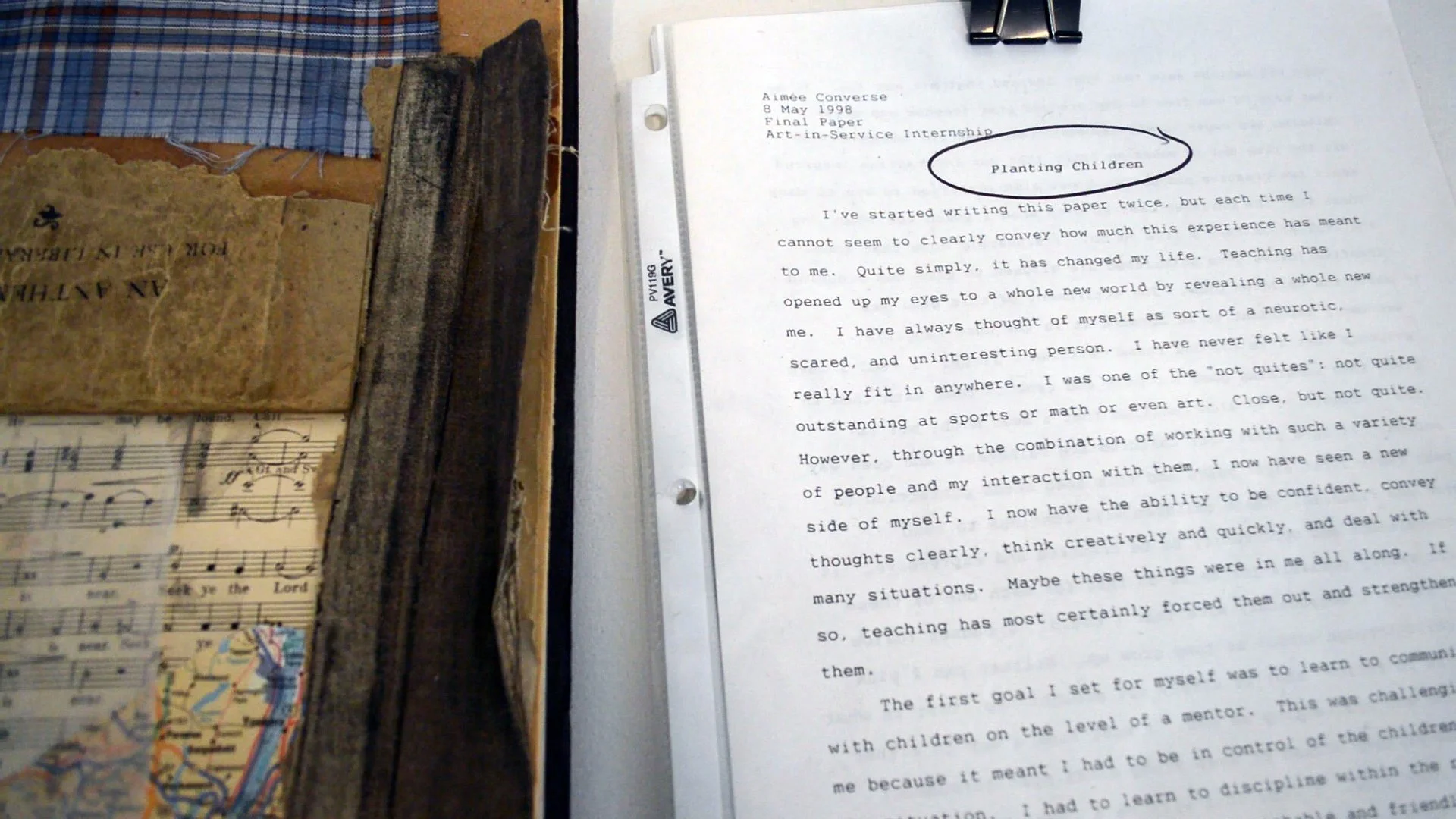
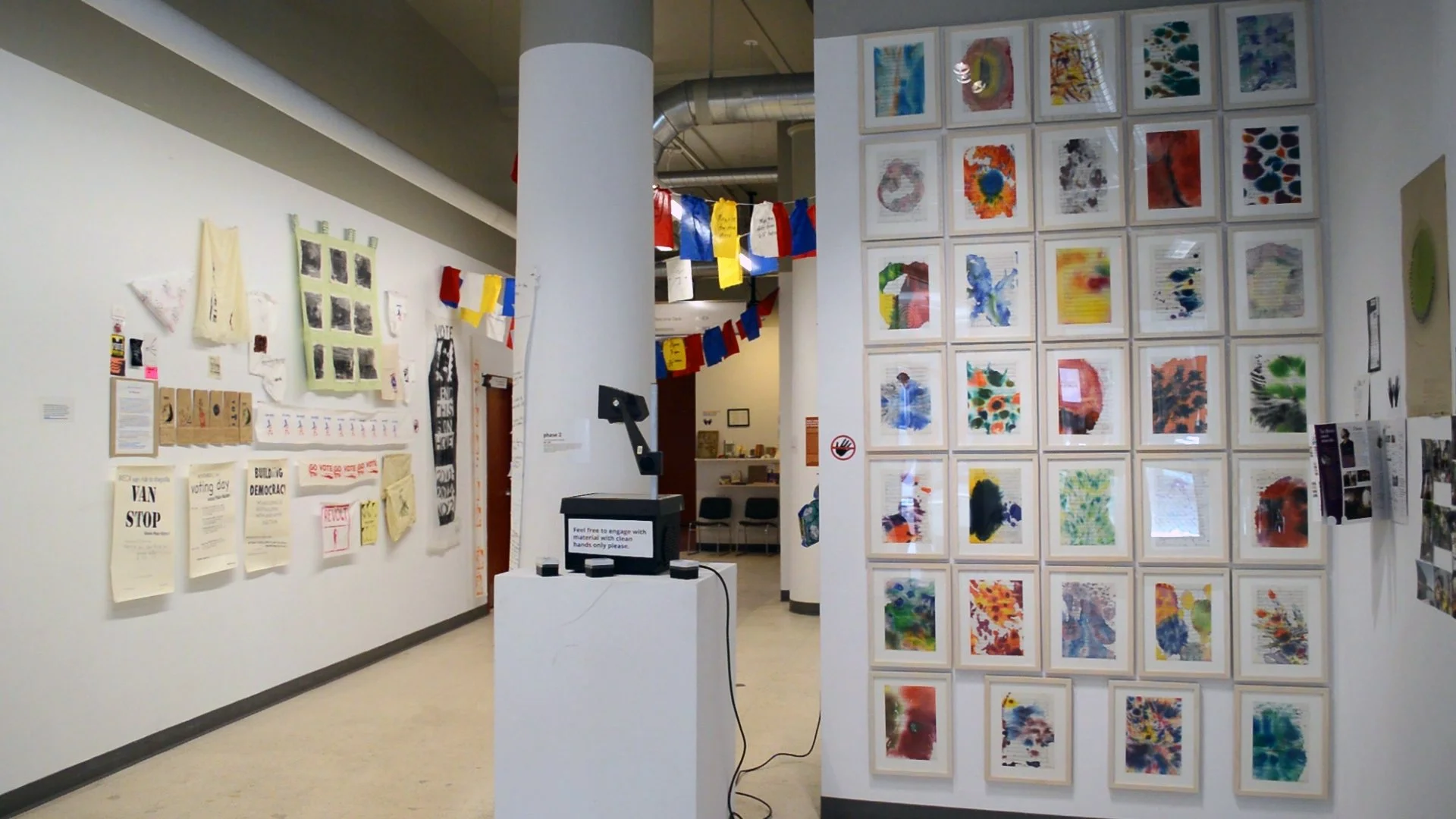
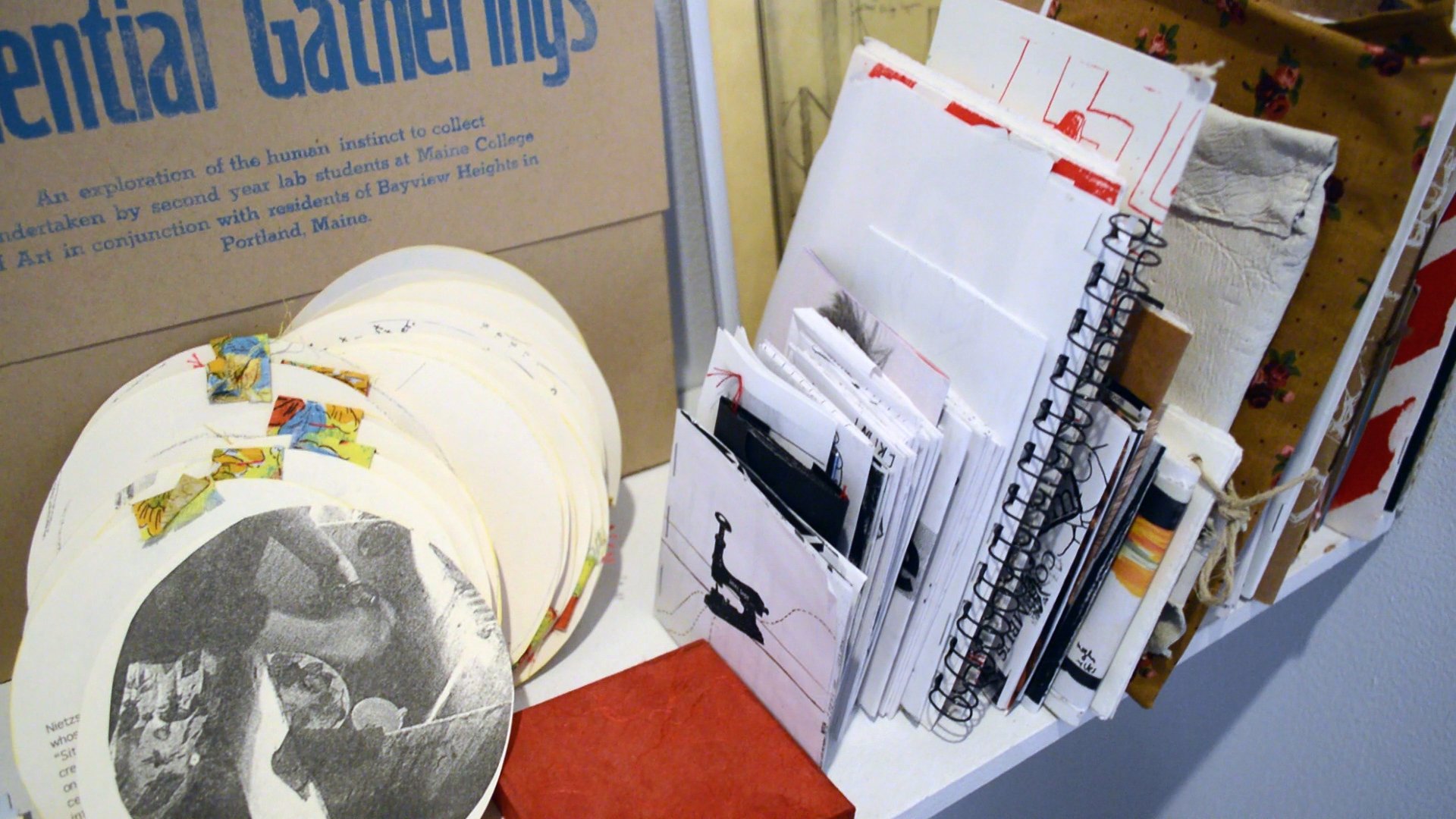
A new program was launched, called Creative Community Partnerships. A full time, skilled coordinator supported students, faculty and partners and wrote grants to make it all happen. The vision of Jennifer Christian, with strong faculty activators and support through the Dean's Office, Board and President allowed for long, sustained partnership and deep, thoughtful projects.
Leadership: Jennifer Christian
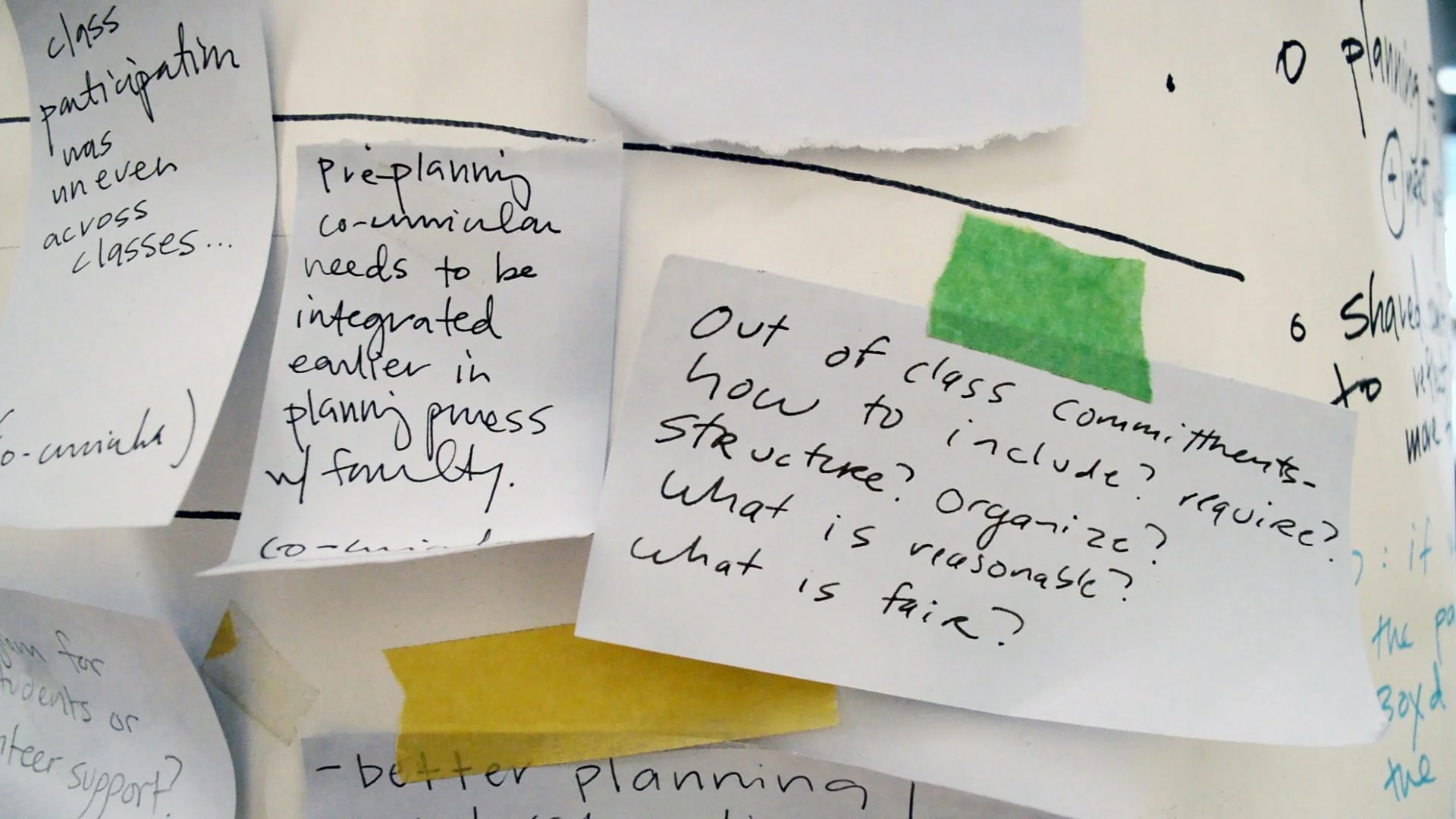
“The lineage is everything. When the students first went into the Hospice Home, the faculty and students were challenging the very nature and idea of where artists and designers belong. At the heart of this way of working is a lineage of caring and sometimes defiant artists, community artists, designers, organizers, activists and spiritual leaders. Across all disciplines of craft and fine art, these individuals have taken courageous action. Working to learn what deep reciprocity, and respect for and with community partners means, is ongoing work and takes skilled coordination. While the majority of leadership here at Maine College of Art has come from the Sculpture and Printmaking Departments, every single major in the college has contributed and experimented with this challenging way of working. Public Engagement has always aimed to lead with best organizing methods, to take on issues of all sorts of injustice and the work of creating a more just and humane world for all.” - Christina Bechstein
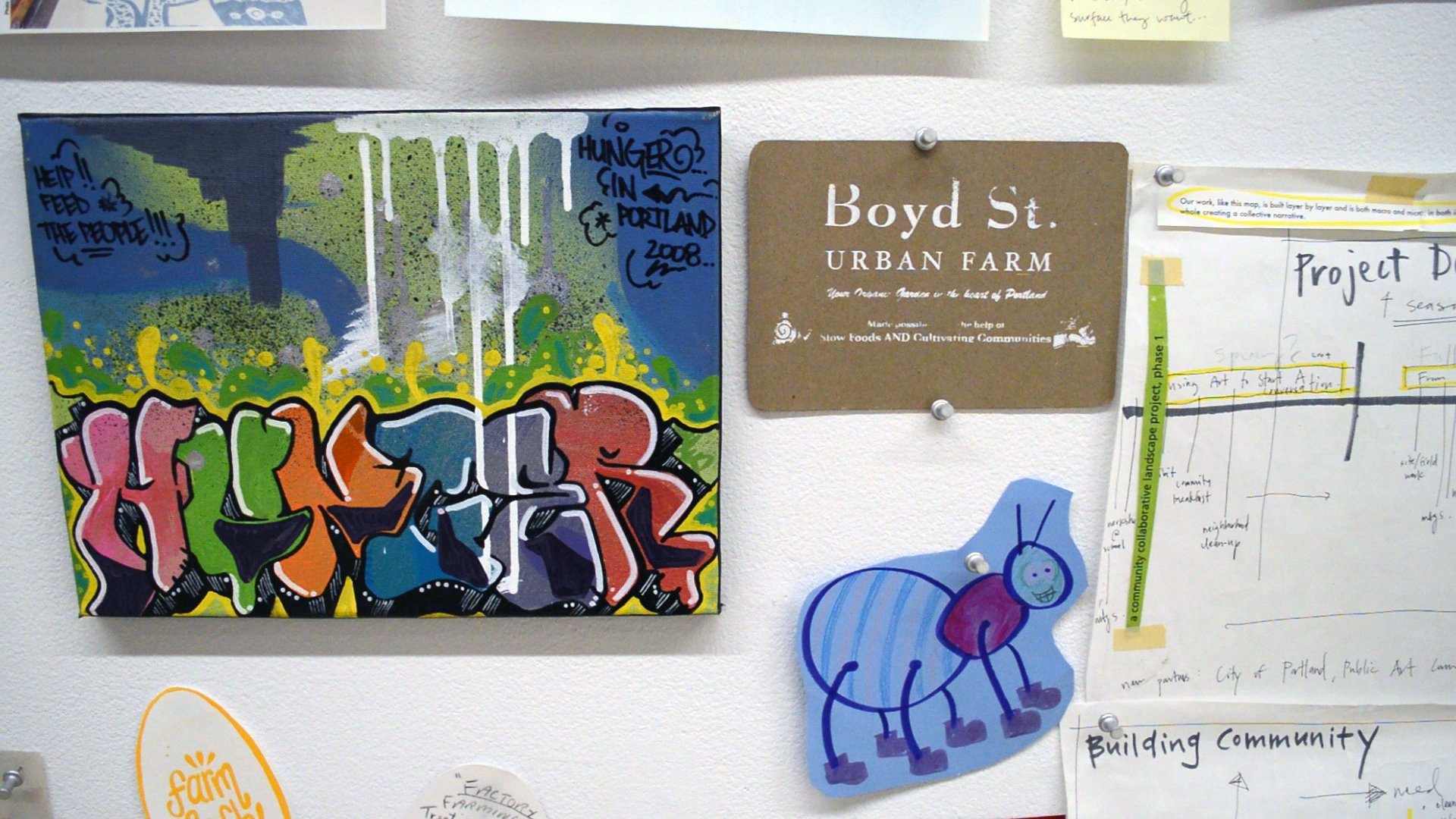
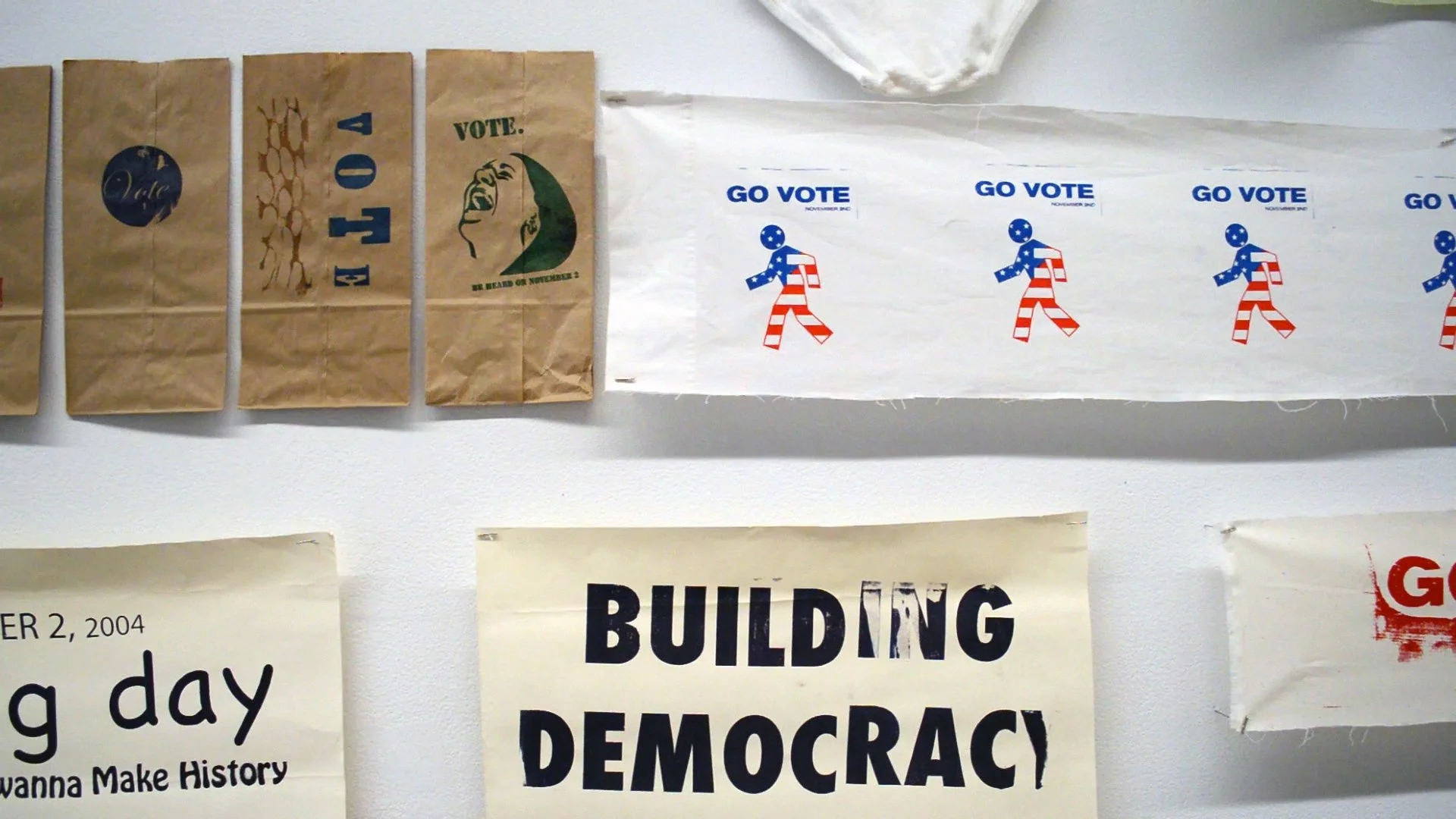
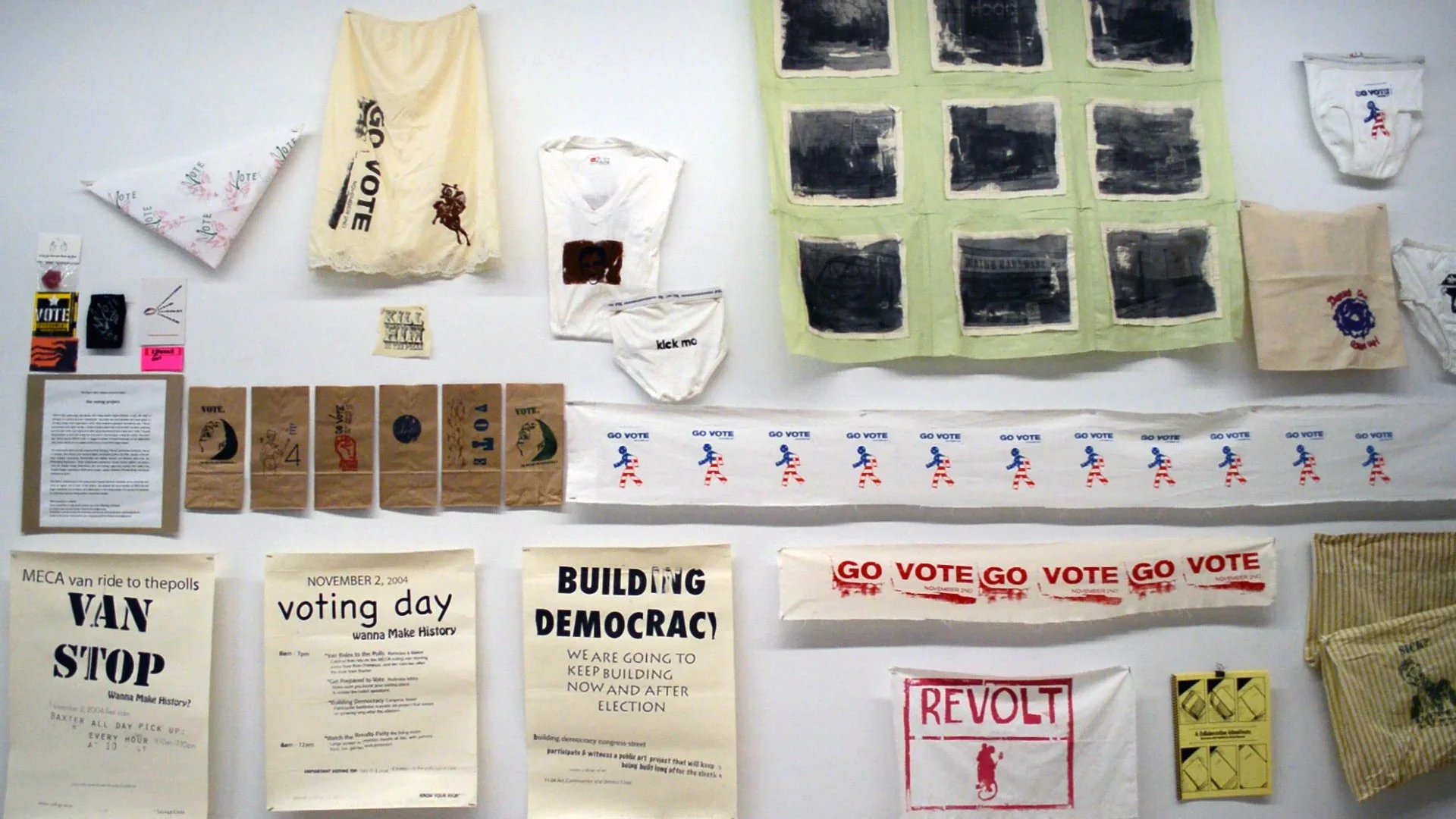
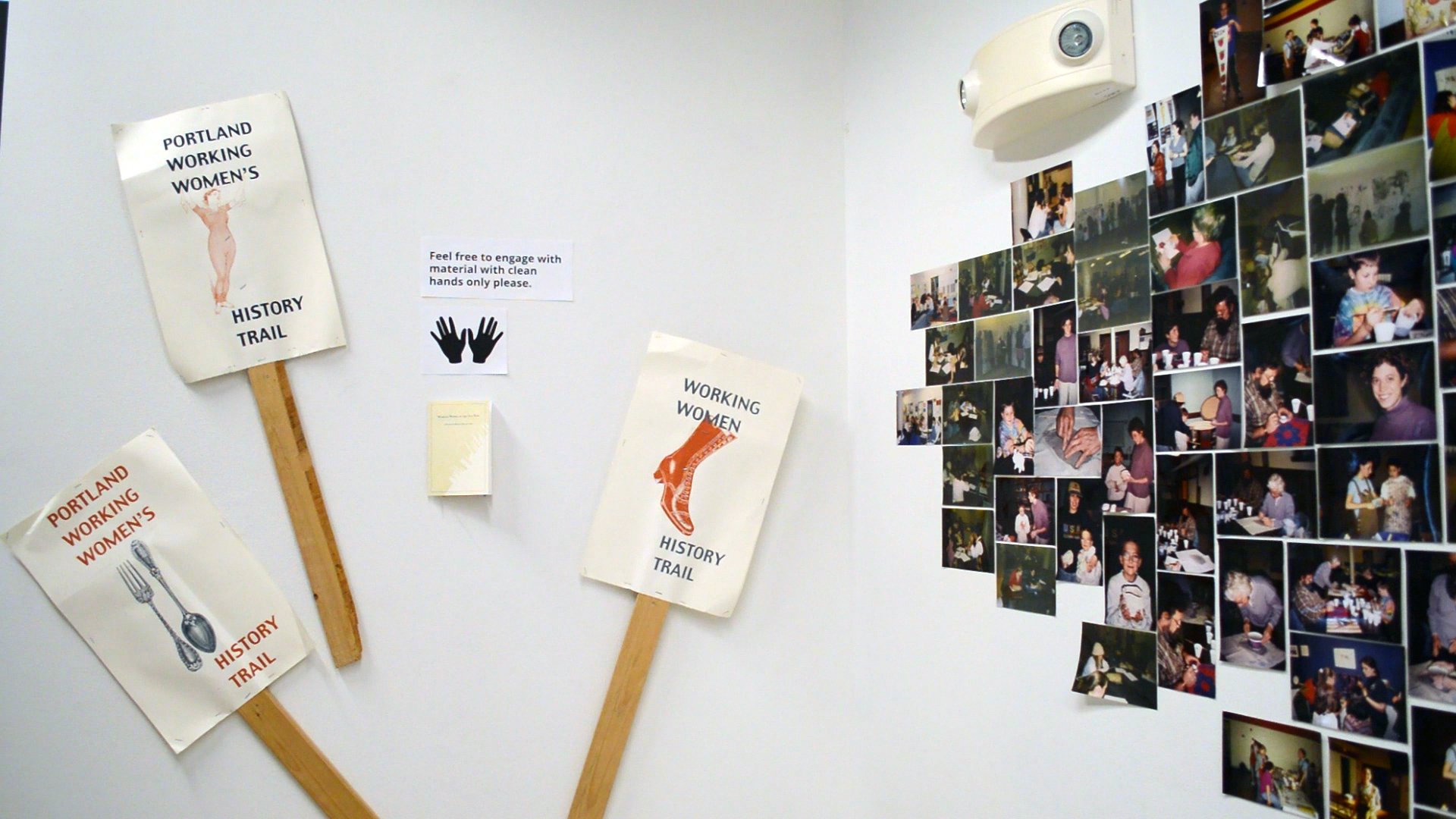
phase 3
The work continues.
2007 - 2012
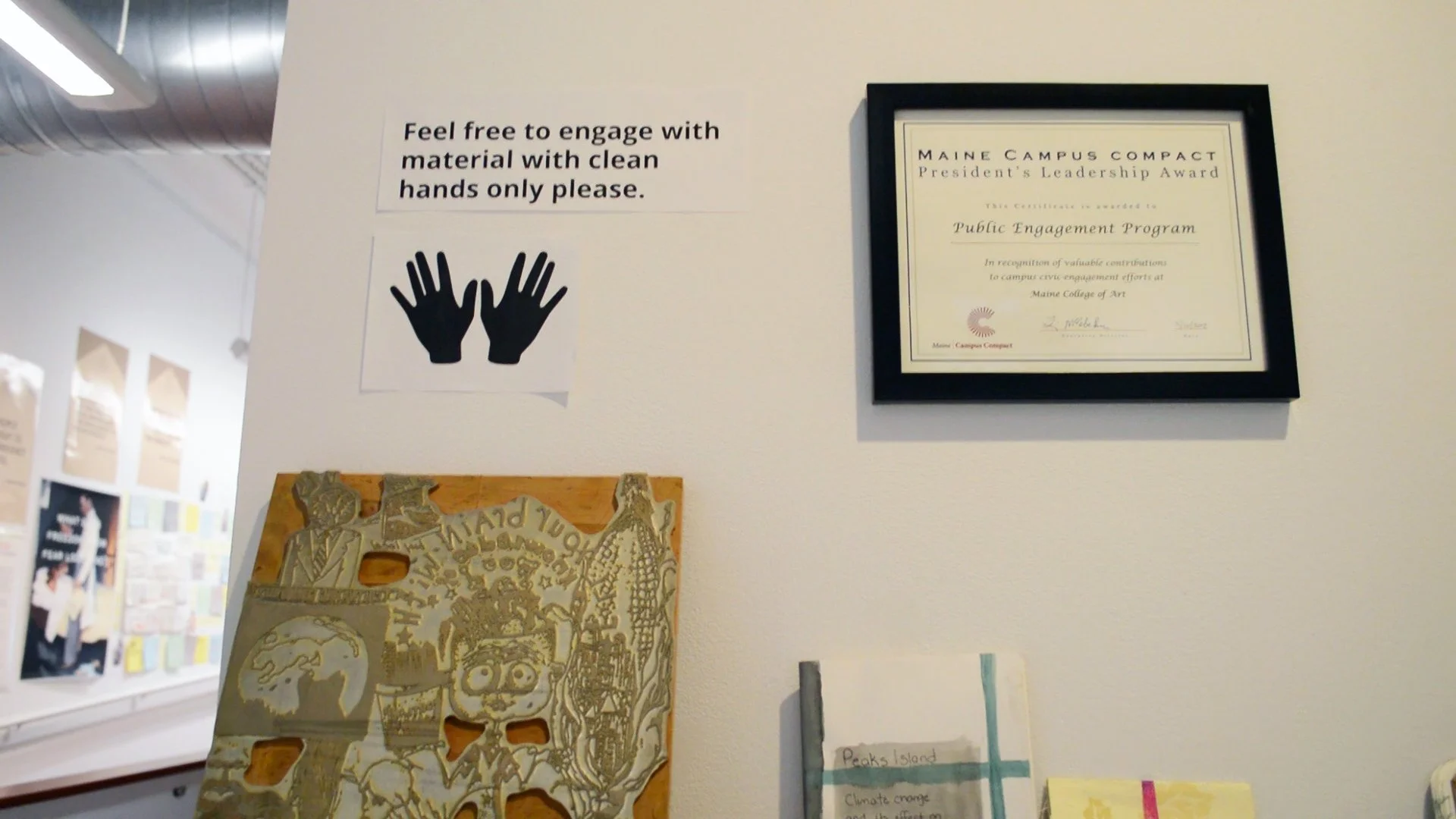
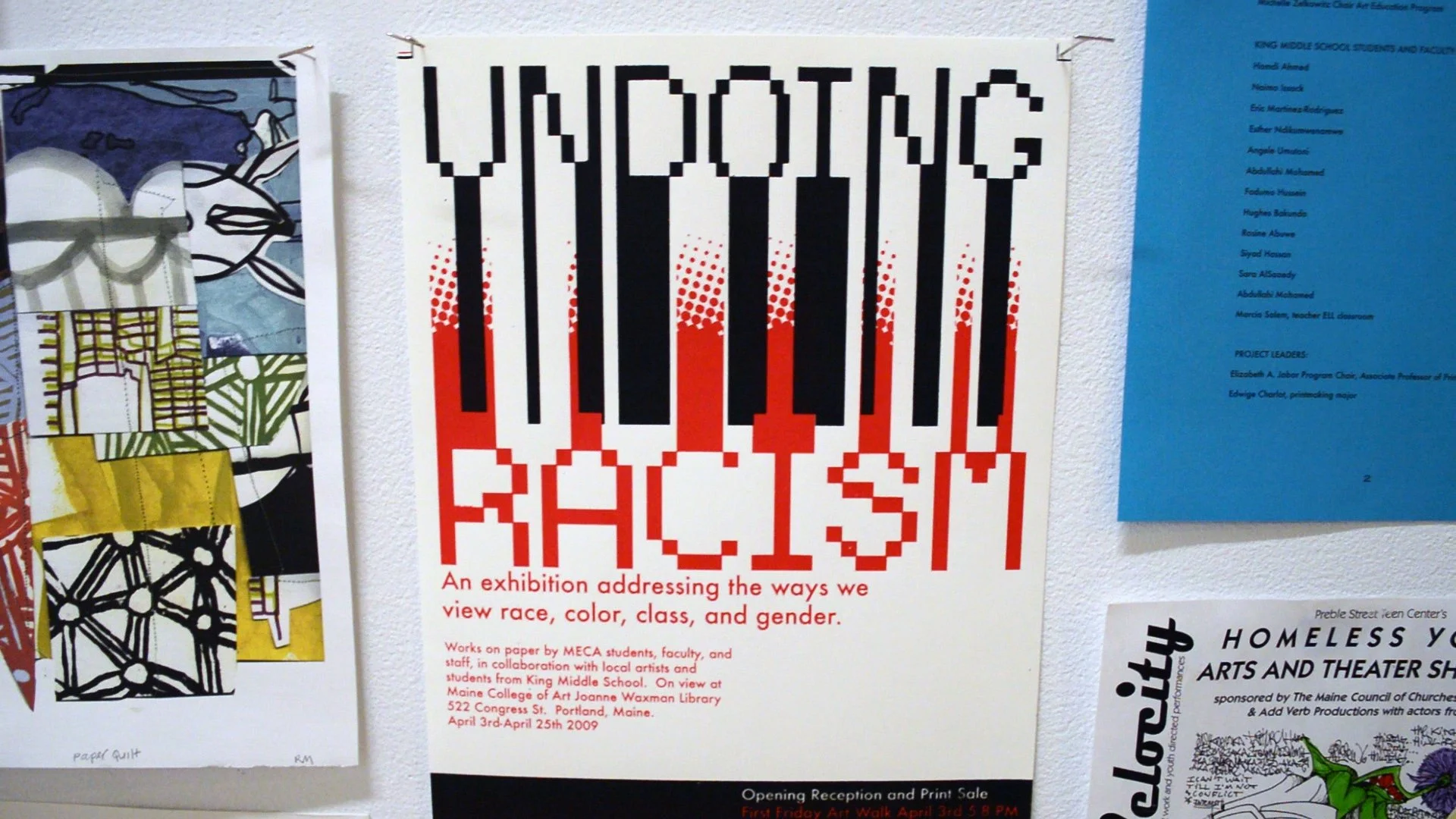
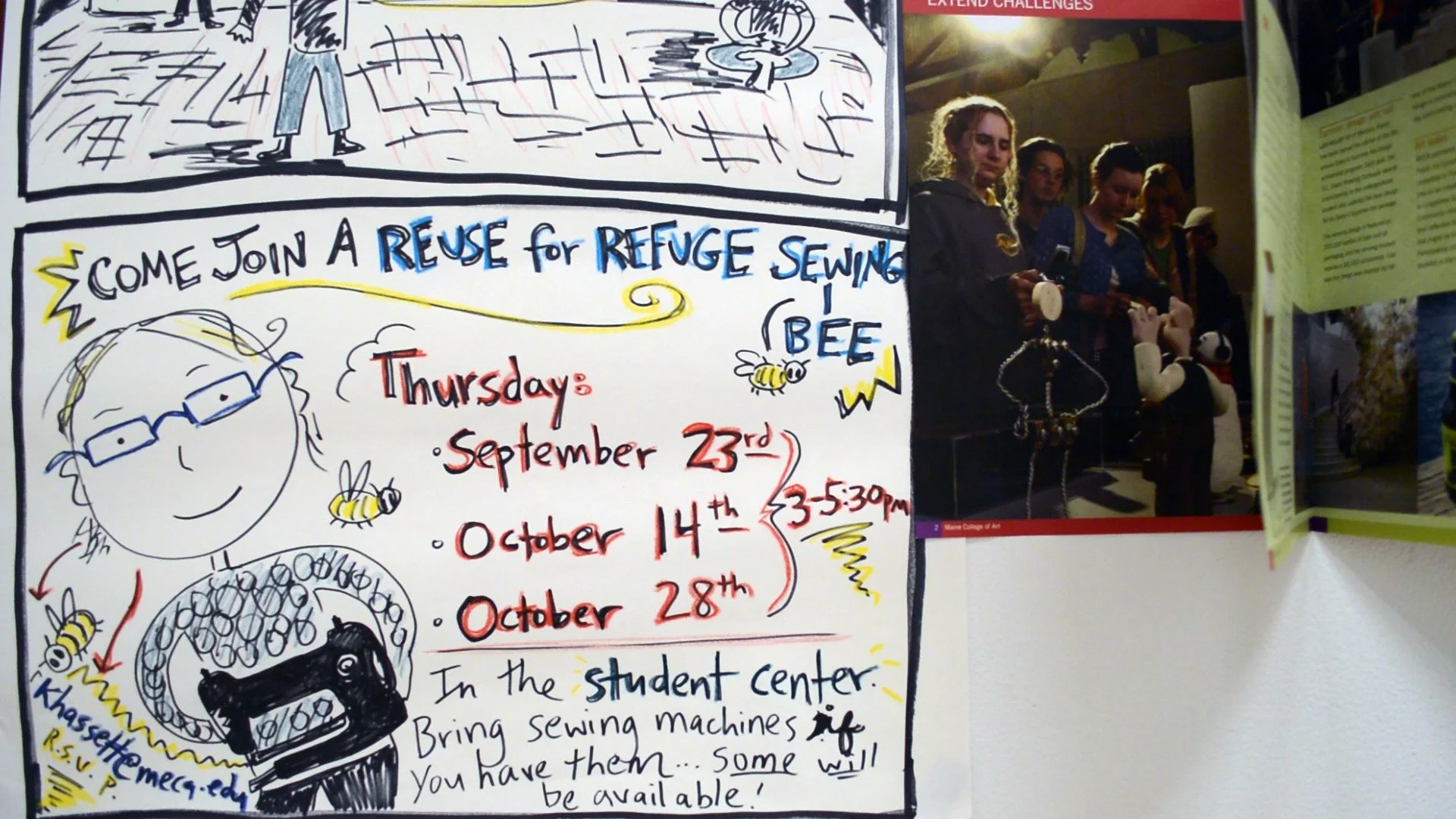
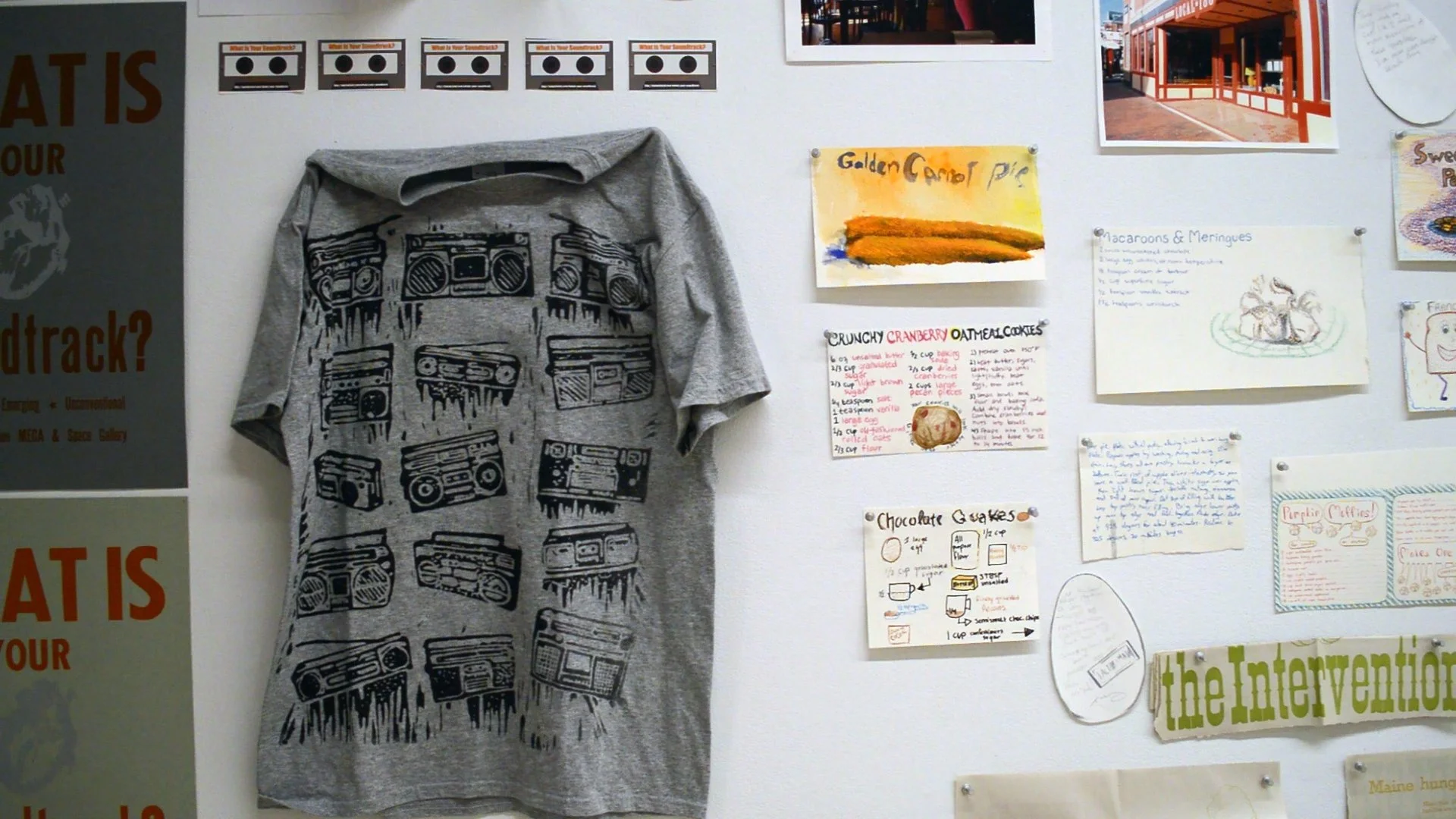
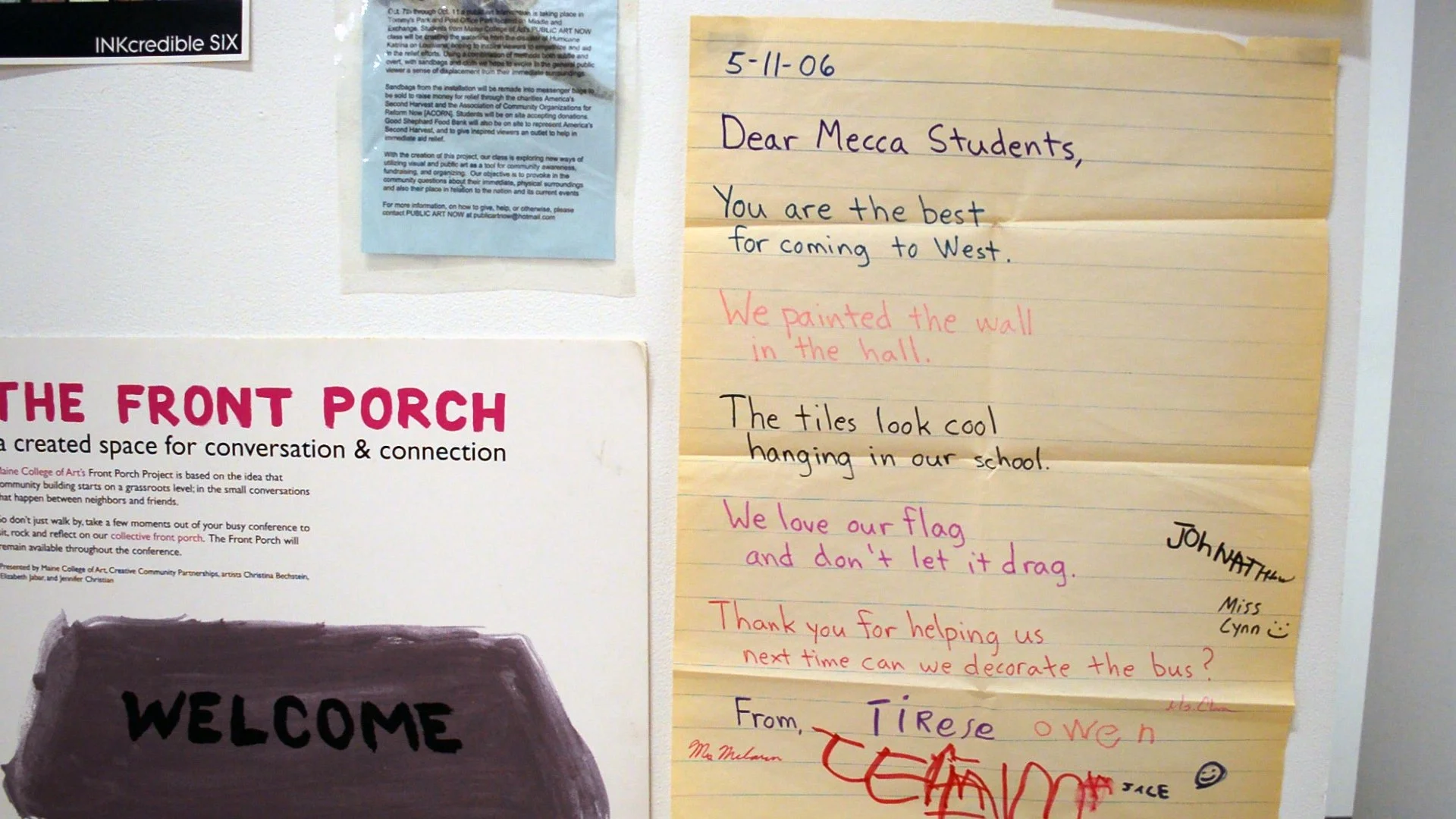
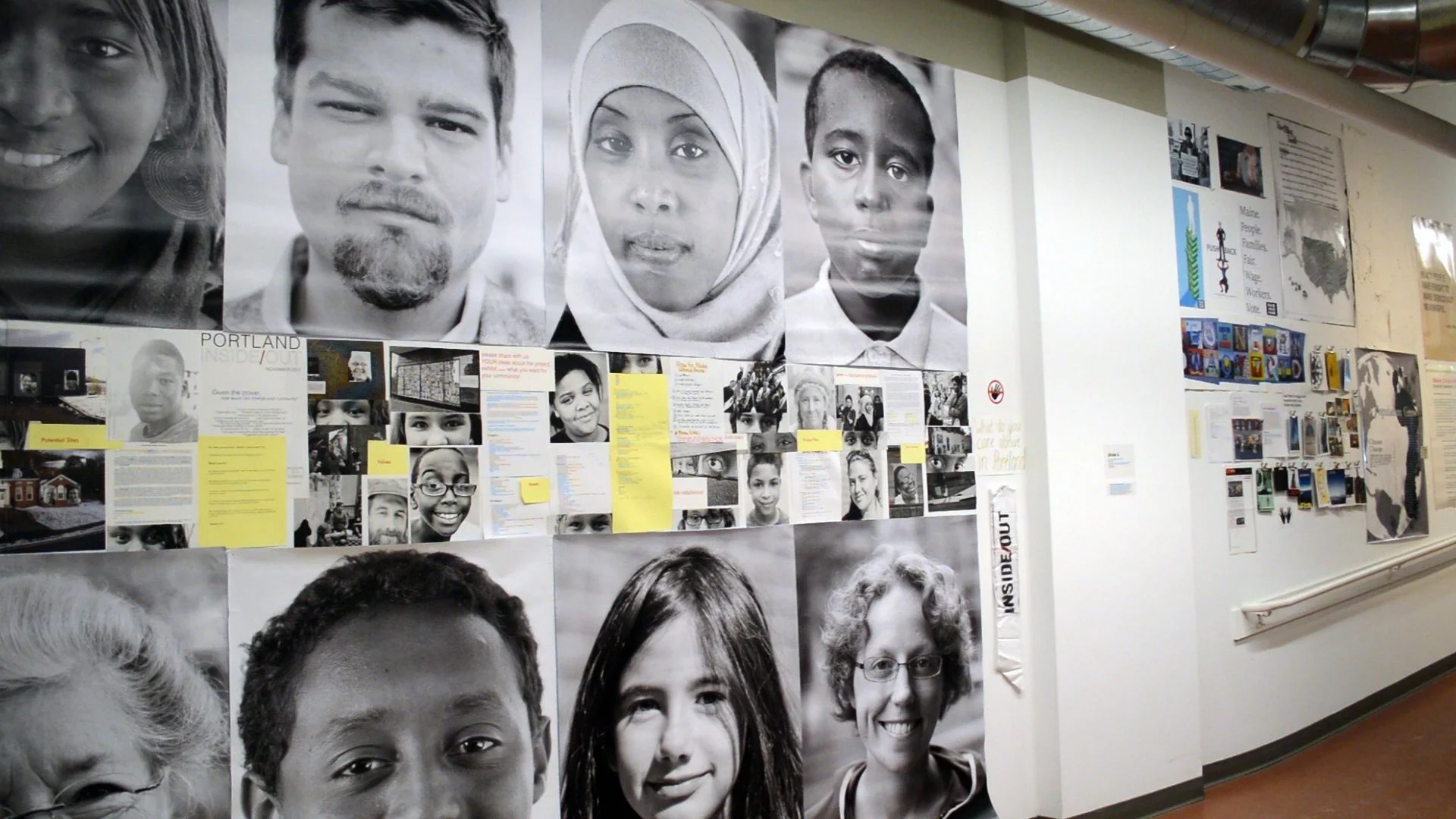
During this phase, the program was re-evaluated, FY-In and SYL was created and planned through grants through public engagement. Faculty and Dean’s office collaborative teams built capacity and vision. A new minor and a center of Public Engagement was presented and passed by the MECA board.
Leadership: Christina Bechstein


phase 4
A solid new program and a new minor.
2012 - 2019
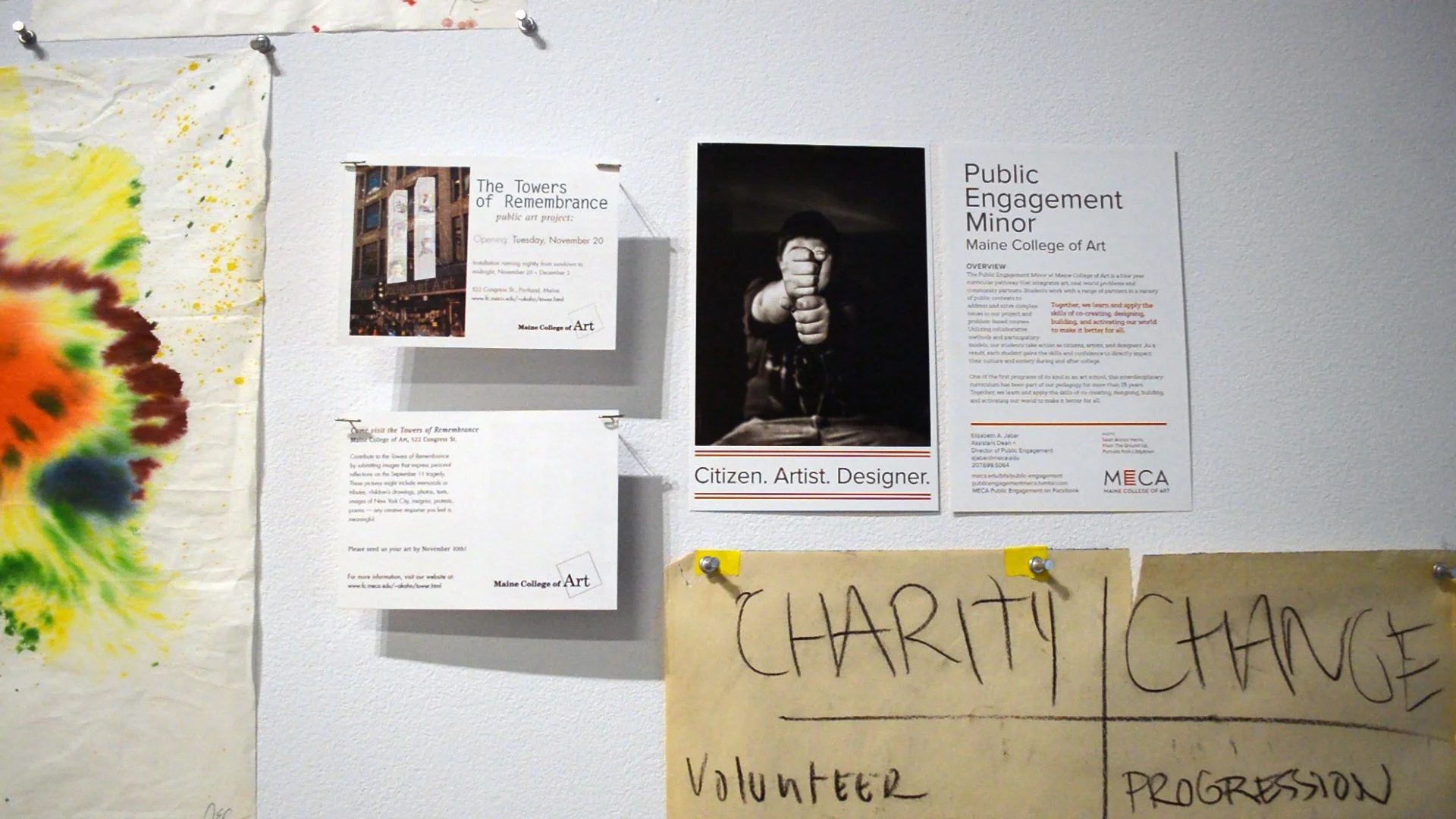
The first Public E minor! The deep work actually happens here, through dedicated leadership and minors. Launch of Public Engagement Minor and Classes, plus Public E Fellows!
Leadership: Elizabeth Jabar
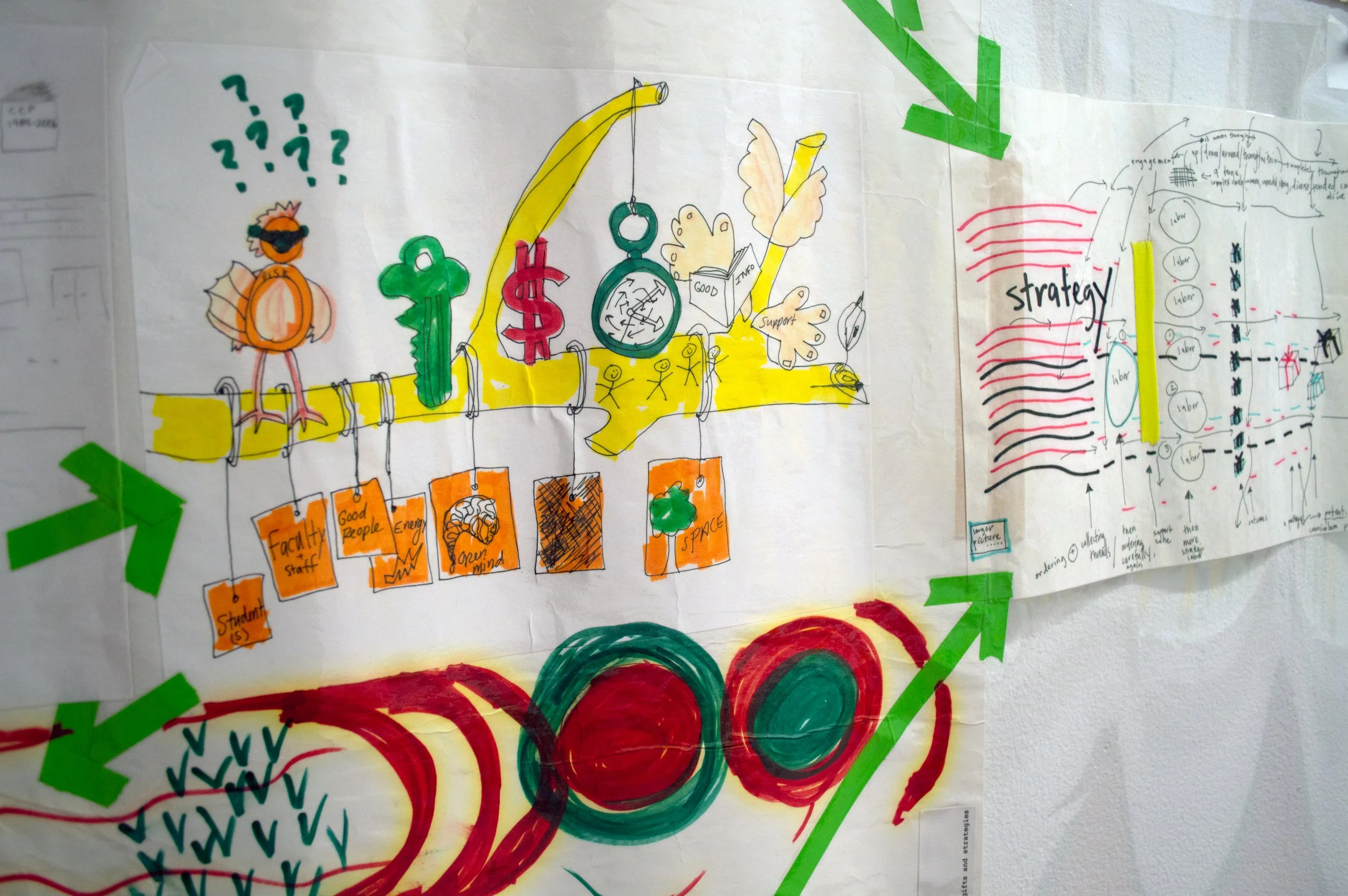
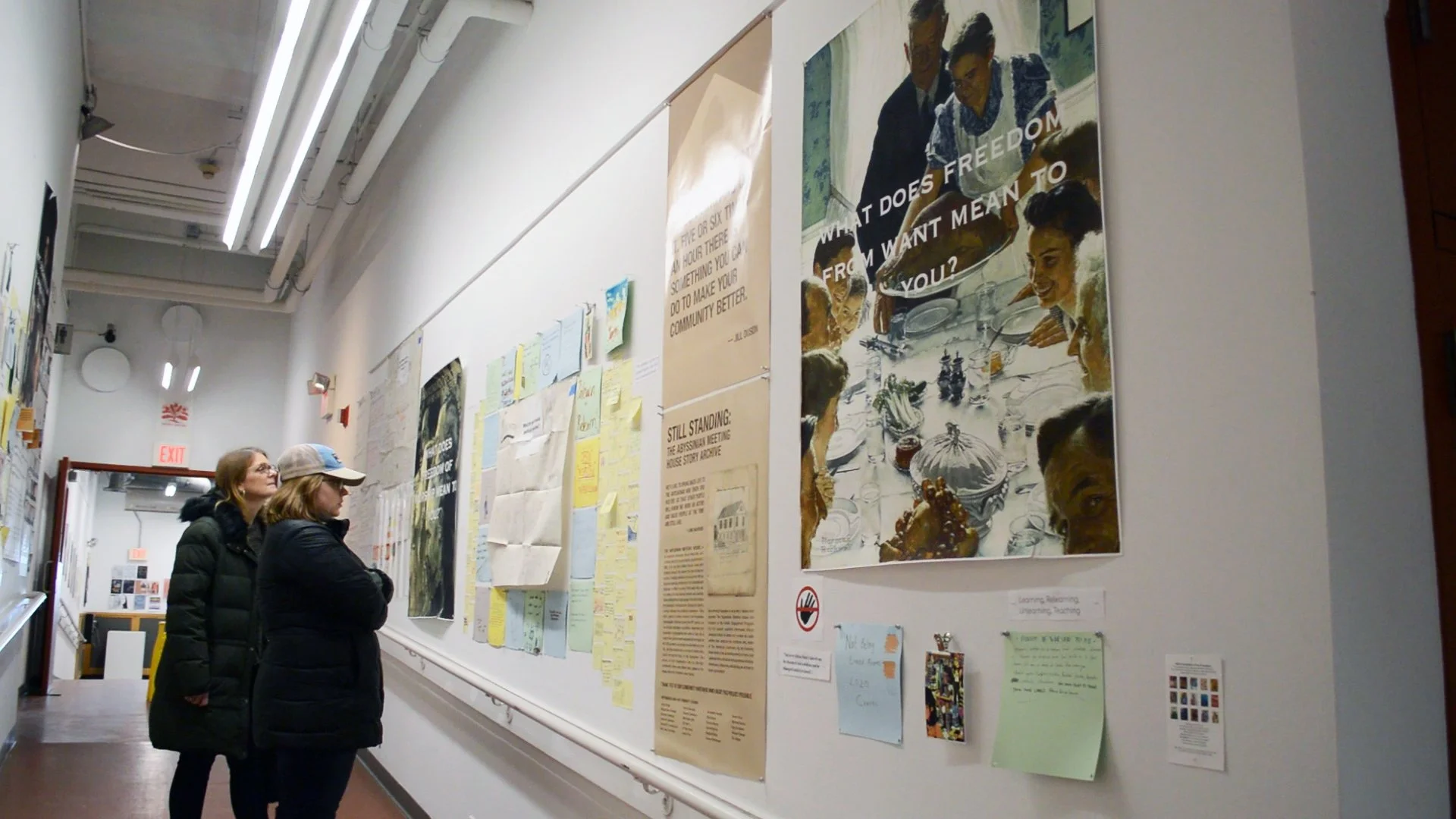
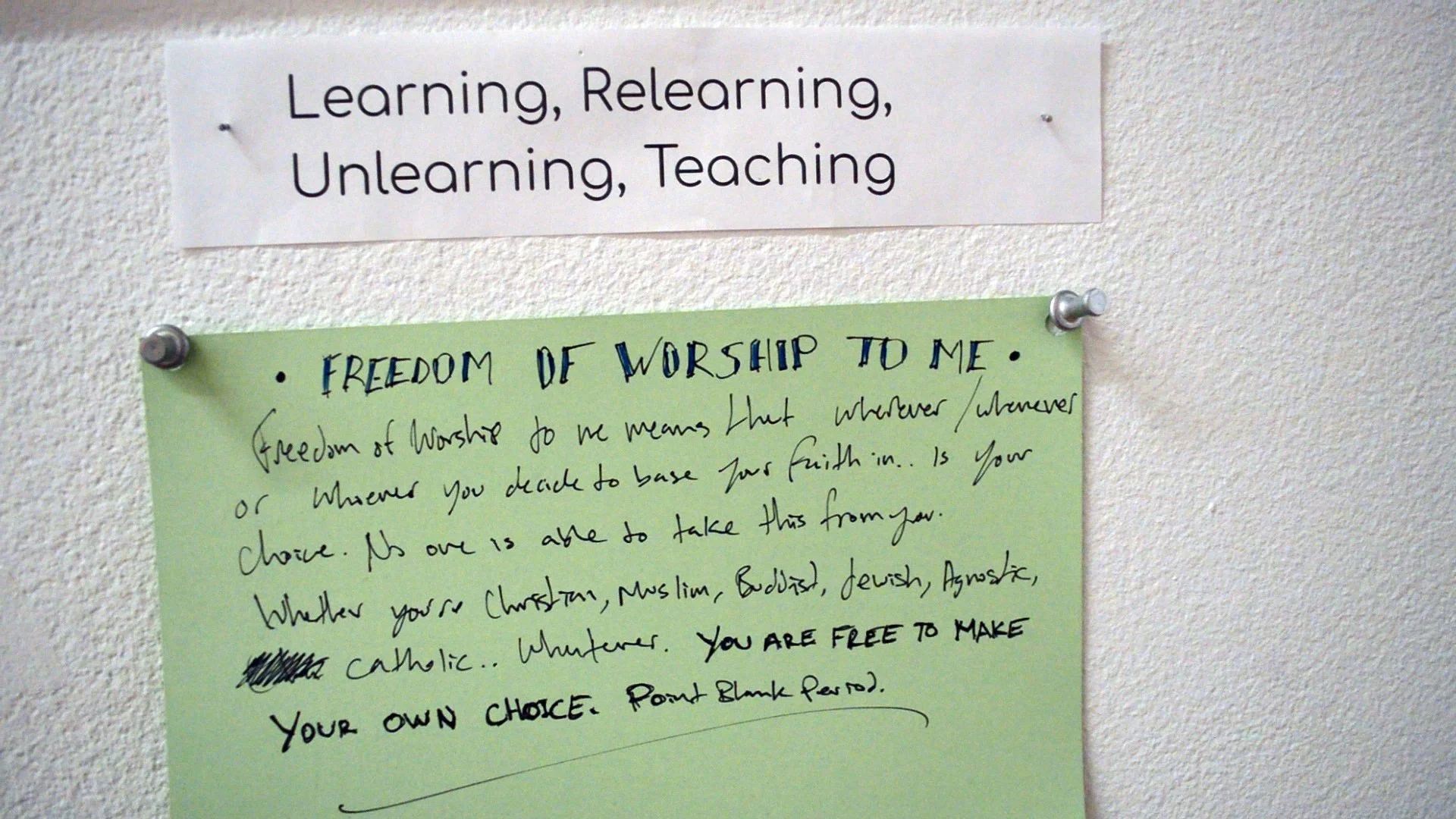
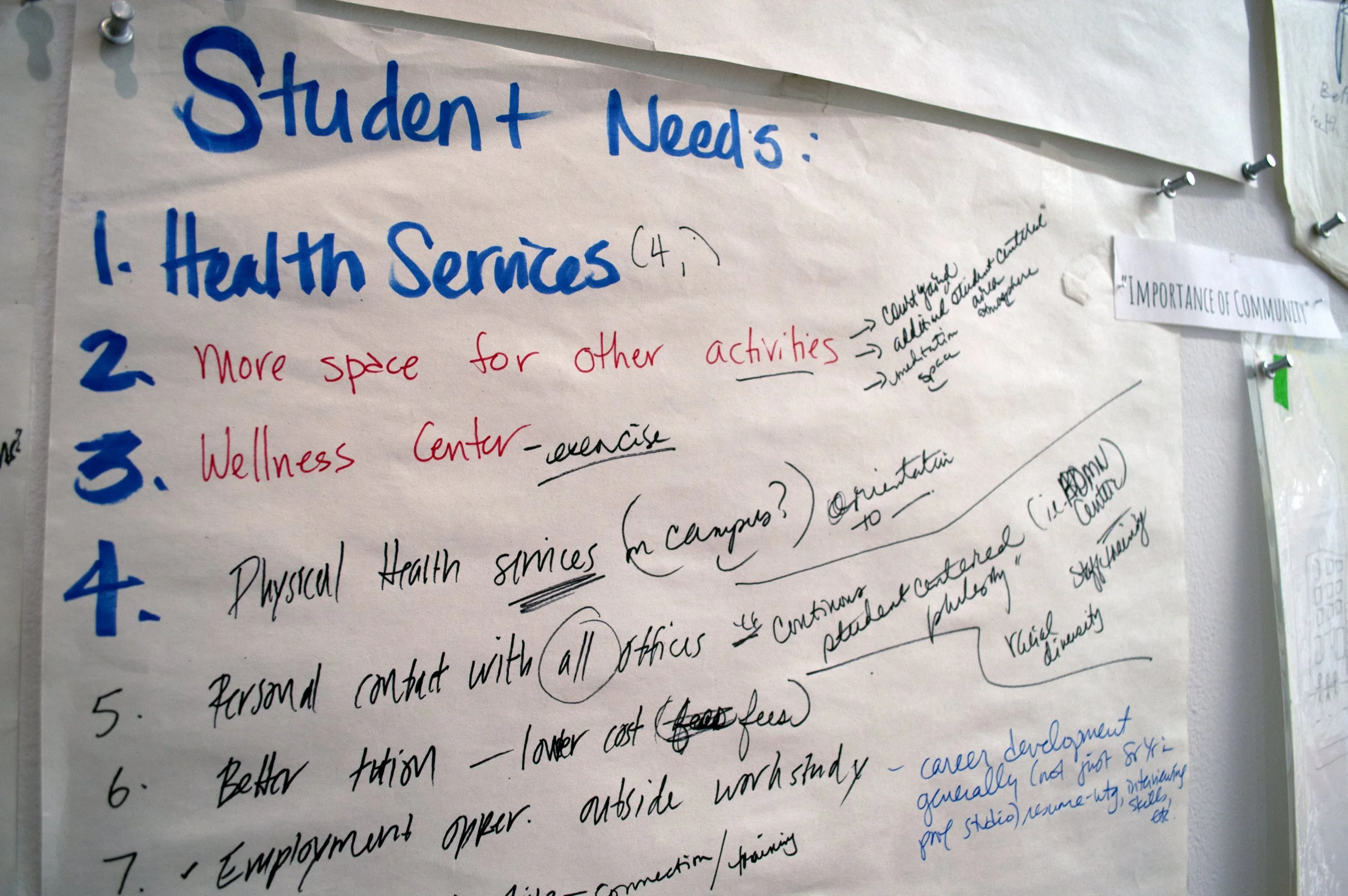
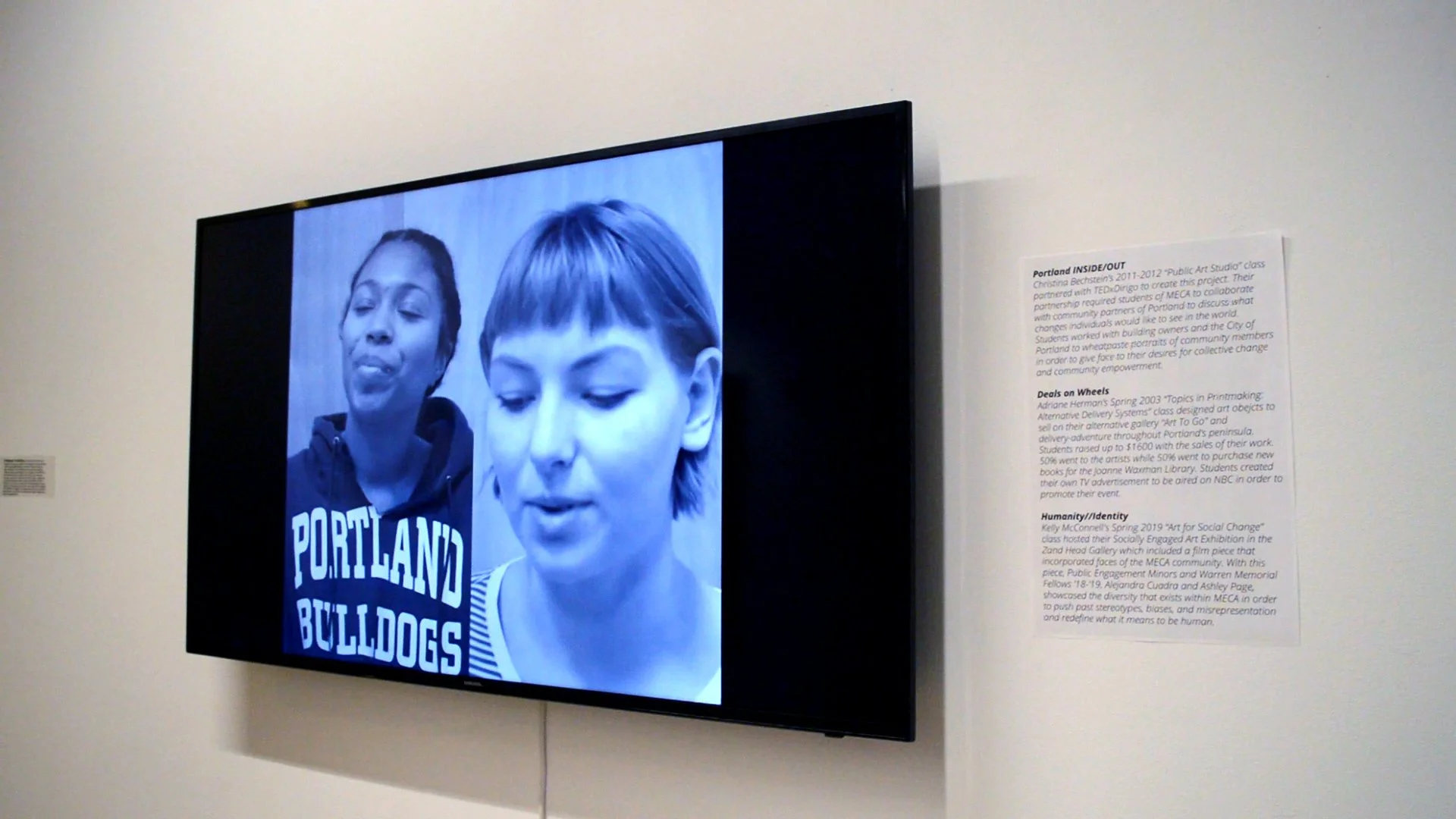
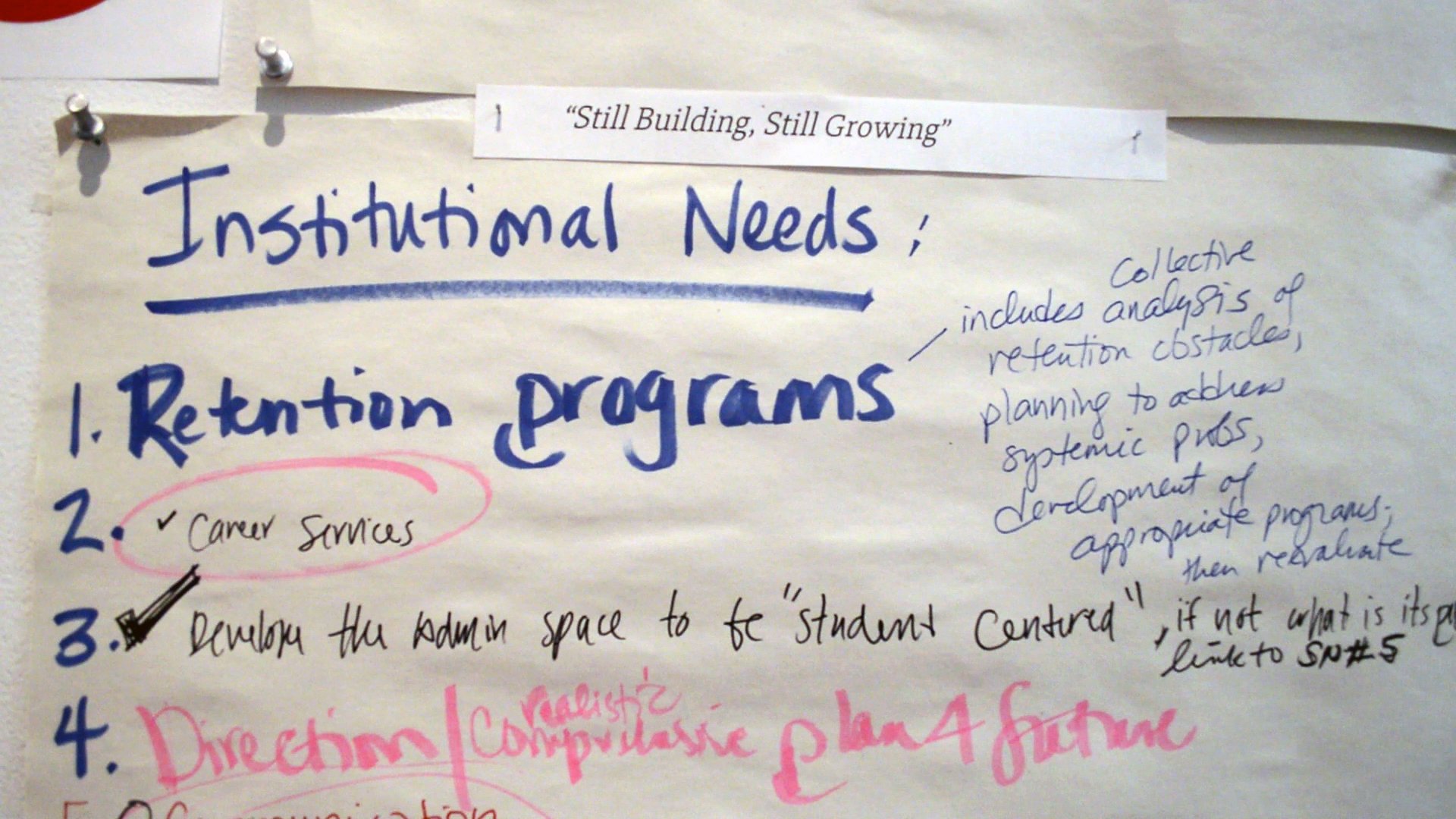
“Deep, messy and transformative. This exhibit provides just a glimpse of this important work. Long, in depth projects, partnerships, experiments, relationships, lessons learned and manifestos were literally co-authored by hundreds of individuals. This model at its best aims for horizontal vs hierarchical practice, while balancing process, relationships, and outcome at all times. Sometimes it was and is messy, full of lessons and mistakes, and sometimes mostly transformative actions and learning, moving the dial towards a more just world while teaching students real skills to be brave practitioners.” - Christina Bechstein
phase 5
A new call to action, and what now?
2019 - NOW
We continue the work, under the leadership of Associate Dean Paul Gebhart, Public Engagement Fellows, and future Directors. MECA is known for this deep work of engaged, civic, partner and problem based curriculum. We wonder, how will this deep work of relationships with community partners transformed into pedagogy, continue to be led?
This exhibition would not be possible without the helping hands, hearts, and minds of Christina Bechstein, Paul Gebhardt, Adriane Herman, Nikki Rayburn, Shiva Darbandi, Olivier, Alejandra Cuadra, Ashley Page, Athena Lynch, Bobby Bennett, Jodi Ferry, Candice Gosta, and Jasper Gaffney. Thank you to Khenmo Drolma, Reverend Priscilla Dreyman, Liz Sinclair, John Mangum, Jennifer Christain, Christina Bechstein, Elizabeth Jabar, and Paul Gebhardt. Without their leadership, the Public Engagement Minor would not be where it is today. May we not take for granted that which has been handed down. Action must be taken now in order to ensure the longevity of this legacy.



“We urgently need to bring to our communities the limitless capacity to love, serve, and create for and with each other. We urgently need to bring the neighbor back into our hoods, not only in our inner cities but also in our suburbs, our gated communities, on Main Street and Wall Street, and on Ivy League campuses.”
― Grace Lee Boggs
The Next American Revolution: Sustainable Activism for the Twenty-First Century